
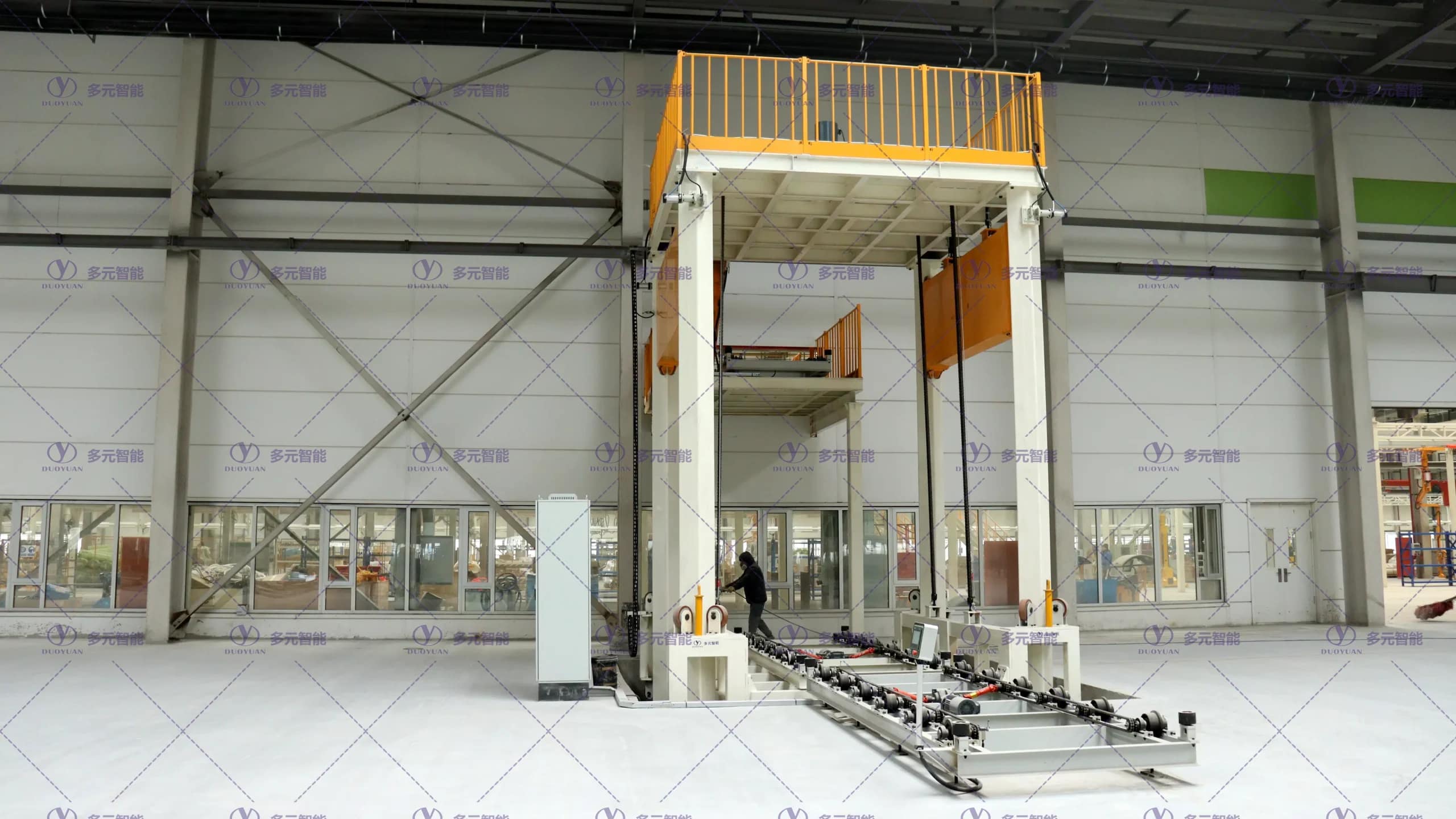
EOL verification should be planned as a system
End-of-line verification is not a final accessory after assembly. It is the production gate that proves the vehicle can leave the factory with repeatable inspection evidence. Alignment, braking, lighting, rain testing, dimensional checks, electrical diagnosis, and rework handling should be designed as one controlled process.
The equipment path usually connects Final Assembly and Testing Line, Rain Test Booth, and selected automation or diagnostic stations.
What the EOL route should define
- Inspection sequence and the handoff from final assembly to quality release
- Data captured at each station and how failed items return to rework
- Vehicle size envelope, throughput, operator access, and safety boundary
- Acceptance standard, recipe control, and training documents
RFQ checklist
Send vehicle type, dimensions, target throughput, test standards, planned stations, workshop layout, utilities, water circulation requirement, and whether the system must integrate with production data or traceability.
Related project references
Use US BYD Electric Bus Project and Isuzu Pickup Body Project as context, then connect this topic with Rain Test Chamber Requirements for water-ingress testing details.