Solutions center

Testing and Custom Equipment / Solution overview

Custom Non-Standard Equipment

Custom automotive equipment for stretching, rolling, lifting, handling, process improvement, and factory productivity support.

Custom Non-Standard Equipment
Solution referencecustom non standard equipment
Solution familyTesting and Custom Equipment
Delivery scopePlanning, design, manufacturing, installation, commissioning
ApplicationTesting and Custom Equipment
Launch supportRemote and on-site launch, training, and productivity improvement

Engineering review

Scope, parameters, and delivery path in one view

Included modules

What the buyer should evaluate first

  • Process layout, capacity planning, and station balancing
  • Fixture, conveyor, lifting, robot, and tooling integration
  • Installation, trial operation, training, and productivity support
  • Side skin hydraulic and electric stretching machines, roll forming equipment, bending machines, and line-side process equipment
  • CNC coil cut-to-length line, CNC side skin roll forming, and top-side skin arc bending equipment for bus and vehicle body production
  • Custom bus and vehicle body equipment for forming, stretching, lifting, positioning, and productivity improvement

Parameters

Technical review fields

Application
Testing and Custom Equipment
Vehicle scope
Bus, coach, car, pickup, and truck programs
Delivery scope
Planning, design, manufacturing, installation, commissioning
Support
Remote and on-site launch, training, and productivity improvement
Buyer query coverage
Side skin stretching machine, CNC coil cut to length line, roll forming equipment, top-side skin arc bending machine

Project rhythm

01Program review
02Line layout
03Equipment design
04Manufacturing
05Commissioning

Procurement decision

When Custom Non-Standard Equipment is the right fit

Best fit

  • The buyer has a defined vehicle program, target capacity, and process section to solve
  • The project needs engineering design, equipment build, installation, and launch support together
  • The RFQ must compare production responsibility instead of isolated equipment price

Not a fit

  • The buyer only needs a catalog machine without layout or launch responsibility
  • Vehicle data, workshop limits, and capacity targets are not available yet
  • The supplier is expected to guarantee output without buyer-side process confirmation

Buyer should prepare

  • Vehicle drawings, dimensions, target models, and expected annual output
  • Workshop layout, utility limits, lifting condition, logistics route, and SOP target
  • Required process scope, acceptance standard, training needs, and local installation boundary

Acceptance evidence

  • Approved layout, equipment list, and responsibility boundary before manufacturing release
  • Factory acceptance, site commissioning, operator training, and trial-operation records
  • Punch-list closure, safety checks, and buyer sign-off for production handover

Buyer reading

How to evaluate Custom Non-Standard Equipment before RFQ

Start from the production problem, then confirm the equipment boundary.

Custom Non-Standard Equipment should be evaluated by vehicle program, target capacity, workshop condition, process scope, launch schedule, and acceptance evidence. This page keeps the product scope connected to related project references and technical articles, so the buyer can compare scope before sending a quotation request.

For a complete review, connect this module with vehicle assembly line planning, then check whether the scope belongs to body welding, conveyor transfer, final assembly, testing, CKD/SKD launch, or custom line-side equipment.

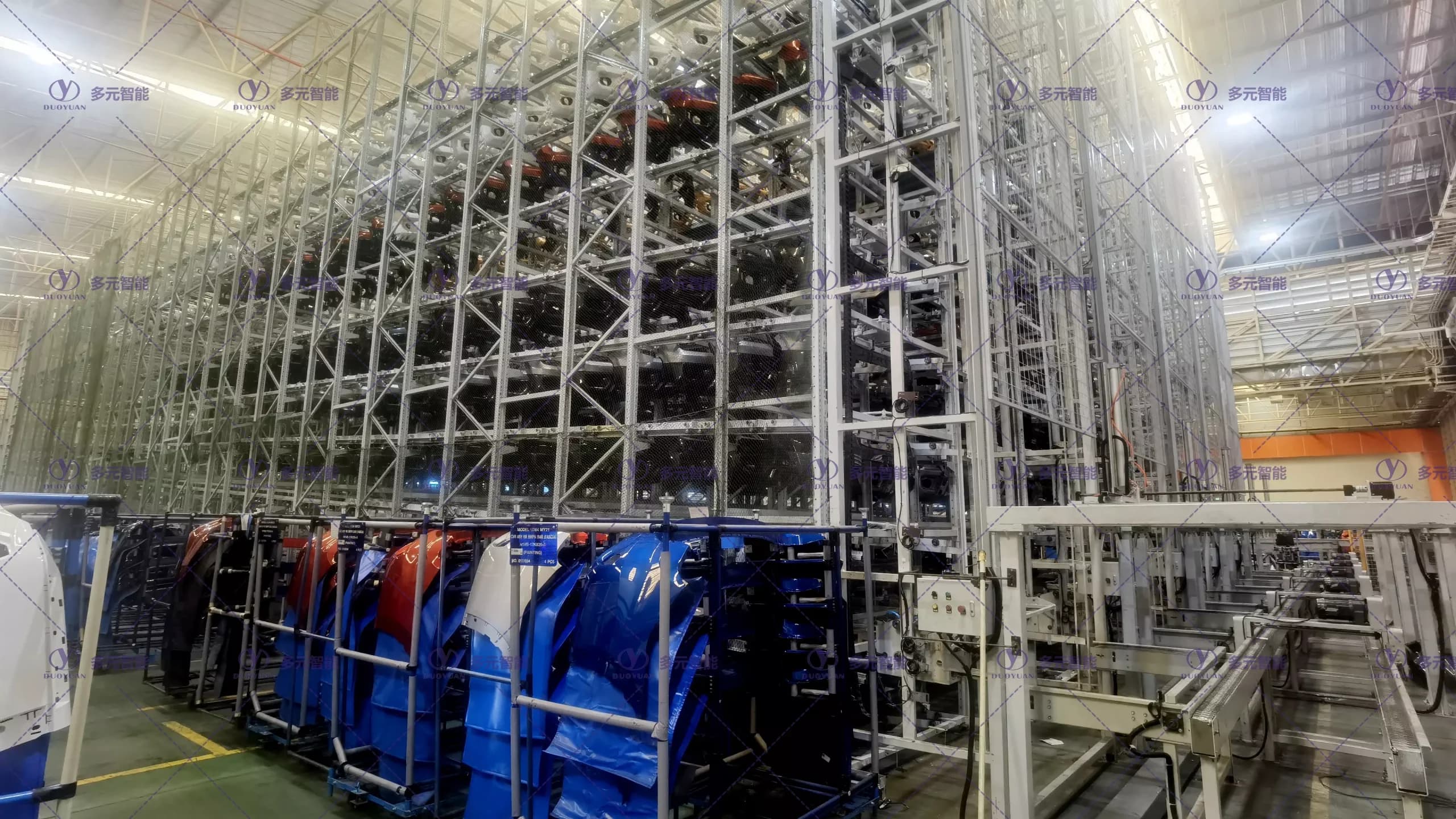
Engineering media

Use the images as equipment and line-layout references

Custom Non-Standard Equipment

Custom Non-Standard Equipment

FAQ

Common procurement questions

Common Questions

Can this be adapted to different production volumes?

The system can be configured for pilot lines, low-volume programs, or scalable high-volume launch plans.

How does Custom Non-Standard Equipment delivery usually start?

Typical delivery starts with layout review, process mapping, fixture design, commissioning, and operator training.

Inquiry

Request a technical review for this product

Discuss Custom Non-Standard Equipment

Share vehicle type, line scope, country, capacity target, SOP timing, and current project stage.

01 Vehicle program02 Process scope03 Engineering review
Contact
Production line scope
Requirement

RFQ desk

Send vehicle type, line scope, target capacity, country, and SOP timing for engineering review.

Custom Non-Standard Equipment | DUOYUAN