
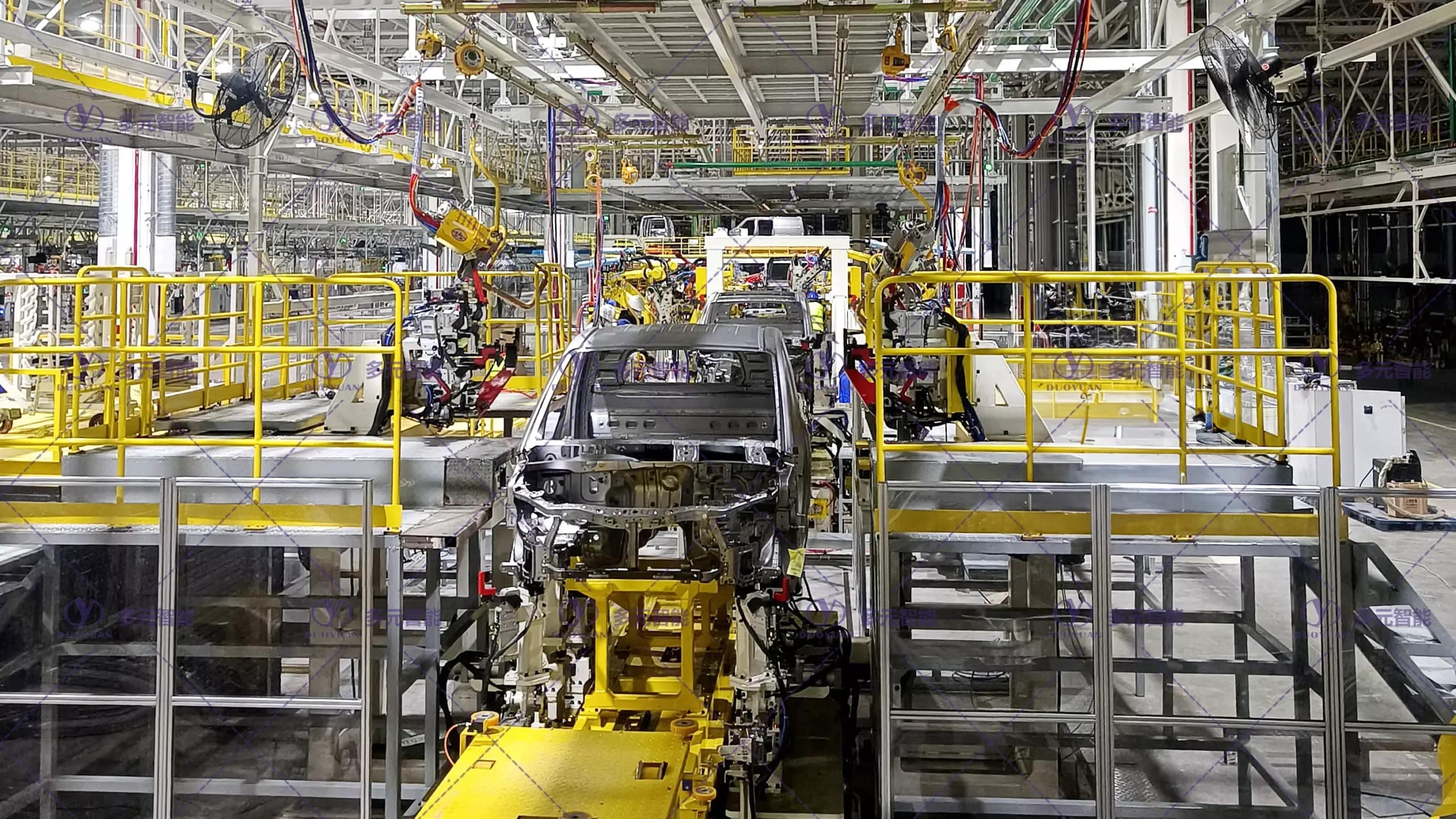
Plan the route before buying equipment
A complete vehicle assembly line should be planned around product mix, takt target, production bottlenecks, logistics flow, inspection evidence, and launch risk. The equipment list should come after the route is clear.
For a first RFQ, choose the closest solution entry: Bus and Coach Production Line, Passenger Vehicle Production Line, or Commercial Vehicle Production Line.
Planning summary
To plan a vehicle assembly line, define the vehicle program, model mix, target capacity, takt time, process scope, workshop constraints, logistics route, quality-release method, and supplier responsibility before buying equipment. The first planning output should map which work belongs to BIW welding, conveyor transfer, final assembly, EOL testing, CKD/SKD launch, or line-side tooling. This turns the RFQ from a loose equipment list into a production system with layout, commissioning, training, launch support, and acceptance evidence. You should prepare vehicle data, plant layout, utilities, SOP timing, and target production evidence before supplier comparison.
Core questions before layout
- What vehicle program is being launched, and how many models must share the line?
- Which scope is required: BIW, conveyor, final assembly, EOL, CKD/SKD, or a single piece of equipment?
- What are the factory constraints: column grid, floor load, crane, utilities, and logistics entry?
- What capacity, takt time, and SOP date must the line support?
Build the first equipment boundary
After the route is agreed, connect the plan to Body-in-White Welding Line, Vehicle Conveyor and Transfer System, and Final Assembly and Testing Line. This keeps the quotation organized around process responsibility instead of scattered equipment names.
Related project references
Start with Wuling Guangxi Automotive Body Line, then compare How to Plan a Bus Production Line and Truck Assembly Line Process Overview for vehicle-specific planning differences.